
Guide · Oct 27, 2026
Sardines on Toast with Lemon and Herbs
Garlic-rubbed toast topped with canned sardines and a quick lemon, shallot, caper and parsley salad. Serves 2 in about 10 minutes, with a USDA nutrition estimate.
By Michael Gonzales · Last updated
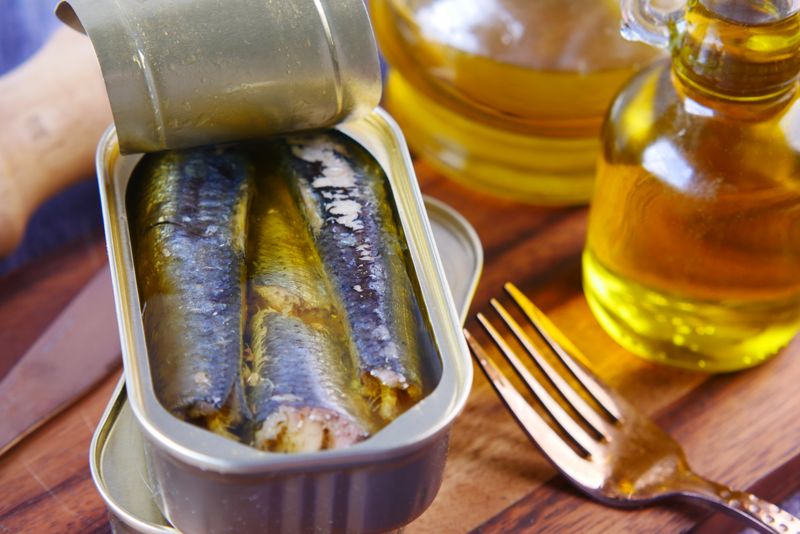
Short answer: Toast two thick slices of whole-wheat or sourdough bread, rub them with a cut garlic clove, then pile on a drained tin of sardines in olive oil. Top with a quick shallot, caper and parsley salad dressed with lemon juice. It takes about 10 minutes and serves 2.
This recipe was developed by Michael Gonzales from standard techniques and measurements.
Prep time: 8 min Cook time: 3 min Total time: 11 min
What do you need for sardines on toast?
- 1 can (3.75 ounces) sardines packed in olive oil, drained, with 1 teaspoon of the oil saved
- 2 thick slices whole-wheat or sourdough bread (about 100 g total)
- 1 small garlic clove, halved
- 1 small shallot, very thinly sliced (about 2 tablespoons)
- 1 tablespoon capers, drained and roughly chopped
- 2 tablespoons chopped fresh flat-leaf parsley
- 1/2 lemon, for about 1 tablespoon of juice, plus a little zest
- 1 tablespoon extra virgin olive oil
- Black pepper
- Pinch of red pepper flakes (optional)
How do you make sardines on toast?
- Rinse the parsley and lemon under running water, as FDA advises for fresh produce, then pat the parsley dry [3].
- Put the sliced shallot in a small bowl with the lemon juice and a pinch of zest. Let it sit while you do the rest; the lemon takes the sharp edge off the shallot.
- Toast the bread until it's deep golden and crisp at the edges, in a toaster, under the broiler or in a dry skillet over medium heat for 1 to 2 minutes a side.
- While the toast is still hot, rub one side of each slice with the cut side of the garlic clove, then brush it with the reserved sardine oil.
- Lay the sardines on the toast and press them down gently with a fork so they break into big flakes and stay put. Leave the small bones and skin in; they're soft enough to eat.
- Stir the capers, parsley and olive oil into the shallots. Spoon the mixture over the sardines.
- Finish with black pepper and the pepper flakes, if using, and eat right away while the toast is crisp.
How do you get the toast and sardines right?
Pick the right tin. Sardines packed in olive oil give you the richest toast, and the oil in the can is good for brushing the bread. Water-packed sardines work too; just add a little more olive oil. If you buy them often, a multi-pack of sardines in olive oil keeps for a long time in the pantry.
Thick bread holds up better. Thin sandwich bread goes soggy under the fish. Slices about 3/4 inch thick from a country or whole-wheat loaf stay crisp. A serrated bread knife makes even slices easy.
Hot or cold sardines? Both are traditional. Straight from the tin is fastest. If you'd rather have them warm, lay the sardines on the toast and slide it under the broiler for a minute or two, then add the shallot topping after.
Don't skip the acid. Sardines are rich and salty. The lemony shallots and capers cut through that, so every bite tastes bright instead of heavy. A splash of sherry or red wine vinegar works if you're out of lemons.
Easy variations. Spread the toast with mashed avocado or ricotta before the fish, add a sliced soft-boiled egg, or swap the parsley for dill. Sliced ripe tomato is good in summer.
How much nutrition is in sardines on toast?
Our estimate for one serving (one slice of toast with half the tin) is about 295 calories, 18 g protein, 14 g fat, 24 g carbohydrate, 3.5 g fiber, 3 g sugar and roughly 475 mg of sodium, using whole-wheat bread. We worked this out from USDA FoodData Central values for each ingredient [2]. Bread and sardine brands vary, so treat these as rough numbers.
Because canned sardines are usually eaten bones and all, they carry more calcium than most fish. In the same USDA data, the half-tin in one serving (about 46 g) has roughly 175 mg of calcium, 24 mcg of selenium, 4.1 mcg of vitamin B12 and 0.45 g of the omega-3s EPA and DHA [2]. Our lists of omega-3 foods, foods high in vitamin D and foods high in selenium show how sardines compare with other foods.
Sardines are on the FDA's "Best Choices" list of fish lowest in mercury [1]. That advice is written for people who are or may become pregnant, people who are breastfeeding and young children. It suggests 2 to 3 servings a week from the list, and counts 4 ounces as one serving for adults, so a 3.75-ounce tin is close to one serving.
What goes well with sardines on toast?
A simple green salad with an olive oil dressing turns this into lunch. Our olive oil buying guide can help you pick a bottle for both. For another quick fish dinner, try baked salmon with lemon and dill, and find more ideas on our recipes page.
How do you store leftover sardines?
Sardine toast is best eaten as soon as it's made, because the toast softens as it sits. If you open a tin and don't use it all, move the leftover sardines to a covered container and refrigerate them. USDA's Food Safety and Inspection Service says to refrigerate leftovers within 2 hours and use them within 3 to 4 days [4]. Make fresh toast when you use them.
Sources
- U.S. Food and Drug Administration. Advice about Eating Fish. https://www.fda.gov/food/consumers/advice-about-eating-fish
- U.S. Department of Agriculture, Agricultural Research Service. FoodData Central, SR Legacy: Fish, sardine, Atlantic, canned in oil, drained solids with bone (FDC ID 175139); Bread, whole-wheat, commercially prepared (172688); Oil, olive, salad or cooking (171413); Lemon juice, raw (167747); Parsley, fresh (170416); Shallots, raw (170499); Capers, canned (172238); Garlic, raw (169230). Accessed October 23, 2026. https://fdc.nal.usda.gov/
- U.S. Food and Drug Administration. Selecting and Serving Produce Safely. https://www.fda.gov/food/buy-store-serve-safe-food/selecting-and-serving-produce-safely
- USDA Food Safety and Inspection Service. Leftovers and Food Safety. https://www.fsis.usda.gov/food-safety/safe-food-handling-and-preparation/food-safety-basics/leftovers-and-food-safety
ProstateFoods writes about food, not treatment. Nothing here is medical advice or a claim that any food treats, cures or prevents a disease. Talk to your doctor before changing how you eat, especially if you take medication or have a health condition. See our medical disclaimer. Photo: Close-up shot of sardines in a can, via Pexels (Pexels license).
Frequently asked questions
What goes well on sardine toast?
Something sharp and something fresh. Lemon juice, thinly sliced shallot, capers and parsley are a classic mix. Mashed avocado, ricotta, sliced tomato or a soft-boiled egg also work well under or over the fish.
Are canned sardines eaten hot or cold?
Either. They're ready to eat straight from the tin. If you prefer them warm, lay them on the toast and broil for a minute or two, then add the fresh toppings.
Do you eat the bones in canned sardines?
Most people do. The small bones in canned sardines are soft enough to eat, and they're why canned sardines have more calcium than most fish. If you'd rather not, you can lift out the larger backbone with a fork.
Which is lower in mercury, canned tuna or sardines?
Both sardines and canned light tuna are on the FDA's Best Choices list of fish lowest in mercury. Albacore (white) tuna is on the FDA's Good Choices list instead.
How much sodium is in sardines on toast?
By our USDA-based estimate, about 475 mg per serving, from the sardines, bread and capers together. Bread and sardine brands vary a lot, so check the labels if you track sodium. Cutting back on the capers lowers it.

Written by
Michael Gonzales
Founder & Editor
Michael Gonzales is the founder of Cloudalien Technologies LLC, the company that owns ProstateFoods, and he edits every page on the site. ProstateFoods publishes everyday recipes, food lists and grocery guides for men who want to eat well. Michael is not a doctor or registered dietitian, so nothing on ProstateFoods is medical advice.