
Guide · Oct 30, 2026
Best Sardines: A Tinned Fish Buying Guide
Best sardines to buy as of October 2026: brisling and pilchard tins compared, olive oil or water packed, skinless boneless options and label terms explained.
By Michael Gonzales · Last updated
Short answer: The best sardines for most buyers are small brisling sardines packed in extra virgin olive oil, because the fish are mild, the oil is usable in the dish, and the tins keep for years in the pantry, as of October 2026. Larger pilchard sardines cost less per ounce and suit cooked dishes, water packed tins suit strict sodium or calorie counting, and skinless boneless fillets are the entry point for anyone put off by bones and skin. The label terms behind those choices are what this guide explains.
This is a buying guide, in the pattern of our olive oil buying guide and our best canned tomatoes guide. For nutrient numbers, sardines appear in our foods high in selenium and omega-3 foods tables. For a simple oven method, the same kitchen logic as our baked salmon with lemon and dill recipe applies. This page covers the tin: species, packing medium, bones and skin, and which verified products match each preference.
What is the difference between brisling and pilchard sardines?
Sardine is a market name, not a single species. The two groups that fill most tins are brisling, small sprats from cold northern waters including Norway, and pilchards, larger fish of the Sardina and Sardinops genera caught in the Pacific and Atlantic. Brisling are sold as the premium option: small, delicate, usually lightly smoked before packing, and eaten whole. Pilchards are bigger, firmer and more strongly flavored, and they are the better value per ounce for mashing into sauces, patties and cooked dishes where delicacy is lost anyway.
Layer count, a term on King Oscar tins, describes how the fish are arranged: one layer or two layers of brisling in the standard 3.75 ounce tin. It is a packing description rather than a quality grade, but two-layer tins of the smallest fish are the traditional premium presentation.
For the classic brisling tin, King Oscar sardines in extra virgin olive oil are the long-running benchmark: wild caught Norwegian brisling, lightly wood smoked, hand packed skin-on and bone-in, sold in 3.75 ounce tins by the 12 pack. The brand has sold sardines since 1902 and is the top selling sardine brand in the U.S. by its own account, a claim the shelf space in most supermarkets tends to support.
Should you buy sardines in olive oil or water?
Olive oil is the default for eating sardines straight, on toast or over salads, because the oil carries flavor and is typically poured into the same dish. Extra virgin olive oil on the label means the packing oil is the same grade you would dress a salad with, and in good tins it is an ingredient, not a byproduct. Water packed sardines are the choice when the packing oil would be drained and discarded anyway, when a recipe adds its own fat, or when you are trimming calories and sodium; the fish themselves are the same, but the eating experience is leaner and the flavor more direct, which some buyers read as more fishy.
Between the two sit flavored oils, where the oil arrives pre-seasoned. King Oscar Mediterranean style sardines pack the same brisling in extra virgin olive oil with sliced black olives, red bell pepper, garlic and herbs, which makes them a ready-made toast topping and the easiest first tin for a skeptical eater. Tomato sauce packed sardines are the other common style, common in Portuguese and Spanish tins, and they suit rice and pasta dishes.
What about skinless and boneless sardines?
Skinless boneless tins contain filleted pilchards with skin and the central bones removed. The eating experience is closer to canned tuna: firm, mild, no crunch and no visible fish shape. For buyers who want the pantry habit without the whole-fish presentation, they are the standard recommendation, with one trade-off to know: the soft edible bones in whole sardines are a meaningful part of what whole tins contain, and filleting removes them along with the skin. The nutrient tables on this site describe whole sardines, bones included.
Wild Planet wild sardines in extra virgin olive oil are the widely available middle path: Pacific sardines packed in extra virgin olive oil in 4.4 ounce tins, from a brand that builds its name on sustainably caught seafood. They are whole sardines rather than fillets, larger than brisling and fuller in flavor, so they suit buyers who want a bigger, bolder tin at a lower per-ounce cost than the Norwegian brisling 12 packs.
What should you check on a sardine label?
Four things. Origin and species first: the tin should say where the fish were caught and packed, and brisling from Norway and pilchards from the Pacific are different products at different prices, so a premium price needs the brisling story to justify it. Packing medium second, as covered above. Sodium third: plain tins in oil are moderate, flavored and sauce packed tins run higher, and no-salt-added versions exist for buyers counting sodium closely. Best-by date last: tinned fish keeps for a long time, but buy current stock from a high-turnover seller, and skip any can that is bulging, leaking or deeply dented, as USDA food safety guidance advises for canned food.
A note on tins versus price per ounce. Sardines are sold in 3.75 to 4.4 ounce tins, usually in multipacks online, so compare price per ounce rather than per tin when brands differ. The brisling 12 packs and the Wild Planet 12 packs linked here are the two formats most U.S. buyers end up choosing between, and the per-ounce gap between them is the honest price of the smaller, milder fish.
Sources
- U.S. Food and Drug Administration. Advice about Eating Fish. https://www.fda.gov/food/consumers/advice-about-eating-fish
- USDA Food Safety and Inspection Service. Shelf-Stable Food Safety. https://www.fsis.usda.gov/food-safety/safe-food-handling-and-preparation/food-safety-basics/shelf-stable-food-safety
ProstateFoods writes about food, not treatment. Nothing here is medical advice or a claim that any food treats, cures or prevents a disease. Talk to your doctor before changing how you eat, especially if you take medication or have a health condition. See our medical disclaimer.
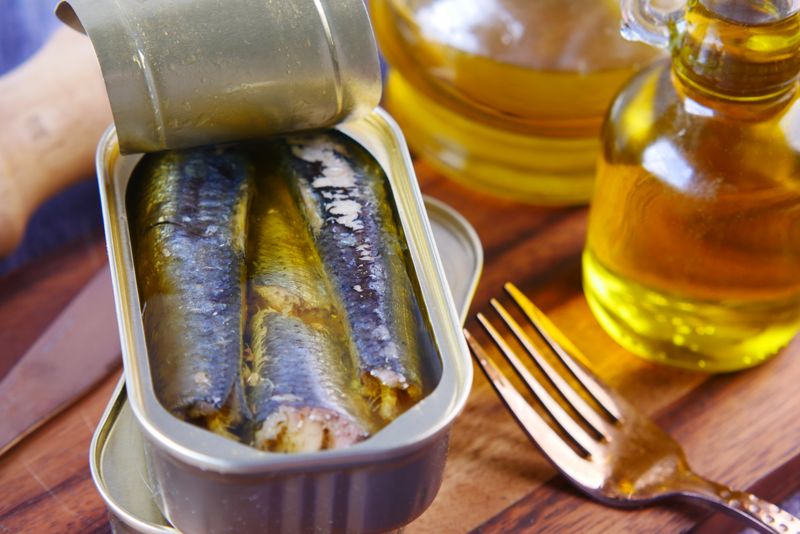
Photo: Close up shot of sardines in a can by Towfiqu barbhuiya, via Pexels (Pexels license).
Frequently asked questions
What are the best sardines for beginners?
Skinless boneless fillets if presentation is the obstacle, or a flavored brisling tin such as the Mediterranean style linked above if it is not. Both avoid the two things first-time buyers hesitate over: strong plain fish flavor and visible bones.
Are the bones in sardines safe to eat?
Yes. Canning pressure softens sardine bones until they are chewable and they are eaten as a normal part of the fish in whole tins. They crush easily with a fork, which is why sardine recipes mash the whole tin, bones included.
How long do canned sardines keep?
Unopened tins keep for years in a cool pantry, typically with best-by dates three to five years out. Once opened, refrigerate in a sealed container and eat within about two days, the same guidance the manufacturers print for opened tins.
What is the difference between sardines and anchovies?
Anchovies are a different, smaller fish, usually salted for weeks before packing, and used in small amounts as a seasoning. Sardines are packed without that long salting and eaten as the main ingredient. The flavor of a sardine is mild by comparison.
Are sardines from Portugal better?
Portuguese tins have a strong reputation and a traditional canning industry, and brands such as Nuri and Jose Gourmet sell at premium prices on that basis. They are a taste preference rather than a quality guarantee. The verified picks in this guide are the Norwegian and Pacific tins most U.S. buyers can reorder consistently.

Written by
Michael Gonzales
Founder & Editor
Michael Gonzales is the founder of Cloudalien Technologies LLC, the company that owns ProstateFoods, and he edits every page on the site. ProstateFoods publishes everyday recipes, food lists and grocery guides for men who want to eat well. Michael is not a doctor or registered dietitian, so nothing on ProstateFoods is medical advice.